health
-
Shift the Care Back to You: Nurse Wellness Package 🩺
You spend your entire shift advocating for patients, tracking vitals, and running on pure adrenaline and caffeine. But who is looking out for your health? Between flipping schedules, high-stress environments, and skipped meals, your body takes a heavy hit. It’s time to investigate what’s happening under the hood. Designed by healthcare professionals for healthcare professionals,…
-
SNP (genetics variations) and toxic burden
The Influence of Single Nucleotide Polymorphisms (SNPs) on Environmental Toxin Burden and Health Risk How Your Genes Affect How Your Body Handles Toxins Everyone reacts differently to pollution and chemicals in the environment. A big reason for this difference is due to tiny variations in your DNA called Single Nucleotide Polymorphisms (SNPs). These SNPs are…
-
Is Cortisol behind your symptoms?
The Stress-Symptom Connection: How Your Body’s Alarm System Causes Common Health Symptoms When you experience long-term stress, your body’s main stress response system, called the HPA axis, can get thrown off balance. Think of the HPA axis as your body’s alarm clock and dimmer switch for stress hormones (like cortisol). When it’s working overtime, it…
-
Mitochondria and immune health
Mitochondria are vital for a healthy immune system. They provide the energy needed for immune cell function and act as signaling hubs that regulate immune responses. Maintaining mitochondrial health is crucial for optimal immune function. for educational purposes only
-
Regulating Cortisol
To improve cortisol rhythms and HPA axis function, prioritize consistent sleep-wake timing with morning light exposure to entrain the SCN (suprachiasmatic nucleus) and support a robust morning cortisol peak . Use mindfulness, CBT, walks in nature, reflexology, and yoga to reduce stress and improve HPA feedback , and add regular aerobic exercise to enhance circadian…
-
What’s one thing that affects all aspects of health?
Poor sleep harms health by increasing all-cause mortality, cardiovascular disease, and metabolic disorders. It impairs immune function, raises inflammation, and elevates accident risk. Cognitive and emotional effects include memory loss, slower reaction time, and higher depression/anxiety. Poor sleep also accelerates skin aging and reduces quality of life. See our prior post for tips on improving…
-
Sleep and Temperature
The best temperature for sleep is 65°F (18°C) for most adults, with a practical range of 60–67°F (15–19°C). Cooler rooms support the natural drop in core temperature that initiates sleep, improving sleep onset, depth, and continuity. Individual preferences vary by age, sex, and health, so adjust within this range and use breathable bedding, lightweight pajamas,…
-
The most profound thing you can do to lose weight and improve your health
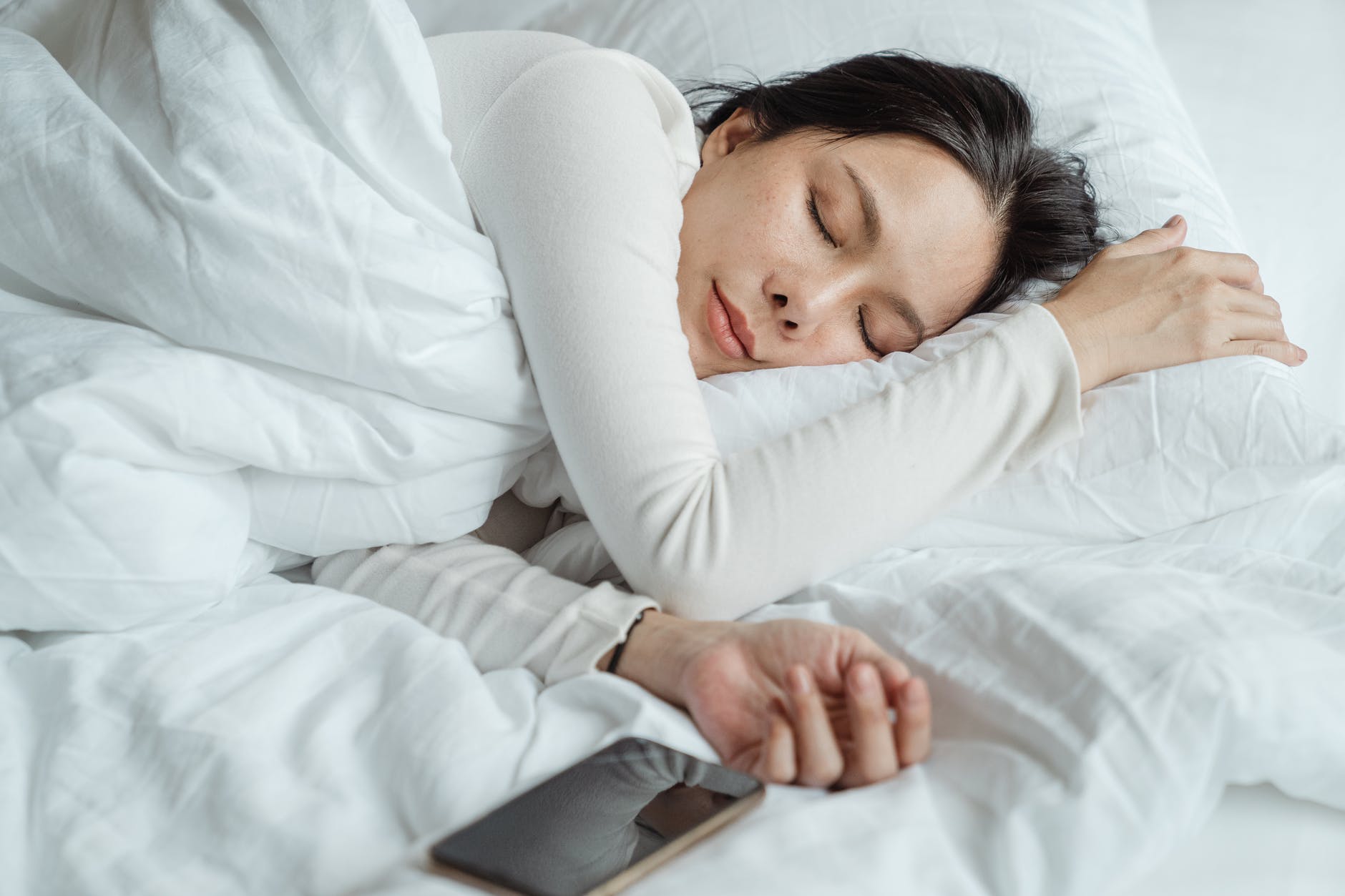
One of the easiest ways to support weight management and healthy metabolism is to sleep!And improve your quality of sleep 😴 🌿😌😌 Sleep affects ….▪️gene expression▪️weight▪️mood▪️productivity▪️libido▪️hormone regulation▪️concentration ✨✨✨One thing to tryIs to reserve your bed forSleep and intimate momentsOnly …. When we train our brains that our bed is not where we work, read, write,…
-
Brain Power
Refocusing your attention and developing the ability to stay focused is great for your brain power. These practices are generally referred to as mindfulness practices. One of the most basic forms of meditation is simply sitting (or laying) and paying attention to your breath. When you notice that your thoughts are wandering, simply refocus on…
-
Chronic Pain
Neck pain • Back Pain • IBS pain • shoulder pain Factors contributing to pain and pain perception SittingSitting too long is one of the worst culprits. We often don’t notice until we try to get up and feel all those aches and pains. Ideally the longest anyone should be sitting is one hour. MovingMoving…
-

Ayurveda
Ayurveda is literally translated to mean the science of life. This knowledge of life is more than 5,000 years old and describes ways to stay well emotionally, physically, and spiritually. Practices such as yoga, meditation, herbs, nutrition, and aromatherapy are all incorporated into a persons customized recommendation for health. Yoga is considered to be a…
-

Foot Reflexology… that’s the foot massage, right?
“As an autoimmune disease person with anxiety issues, I found this profoundly helpful. I also started noticing that my bowels were functioning better and my sinuses drained… getting rid of that constant head pressure and groggy feeling. Can you say…. Ahhhh”